

{
“title”: “Why Sustainability Drives Competitive Innovation and Long-Term Value”,
“meta_description”: “Sustainability is not a compliance checklist; it is an engine for operational efficiency and radical innovation. Learn how leaders turn constraints into growth.”,
“tags”: [“sustainable strategy”, “innovation frameworks”, “operational excellence”, “business longevity”, “resource management”],
“categories”: [“Business”, “Strategy”],
“body”: “
The Cost of Short-Term Optimization
For decades, the standard playbook for corporate growth prioritized immediate extraction. By treating resources as infinite and externalities as someone else’s problem, leaders achieved short-term gains at the expense of systemic stability. This model is hitting a hard wall. When input costs for raw materials spike or regulatory regimes shift, companies that view sustainability as a burdensome cost center inevitably collapse.
True strategic rigor demands that we look at sustainability not as a moral imperative, but as a discipline of scarcity. Constraints force innovation. When you limit the available energy, water, or material inputs, the only way to maintain margins is to optimize the underlying system architecture.
Designing for Resource Circularity
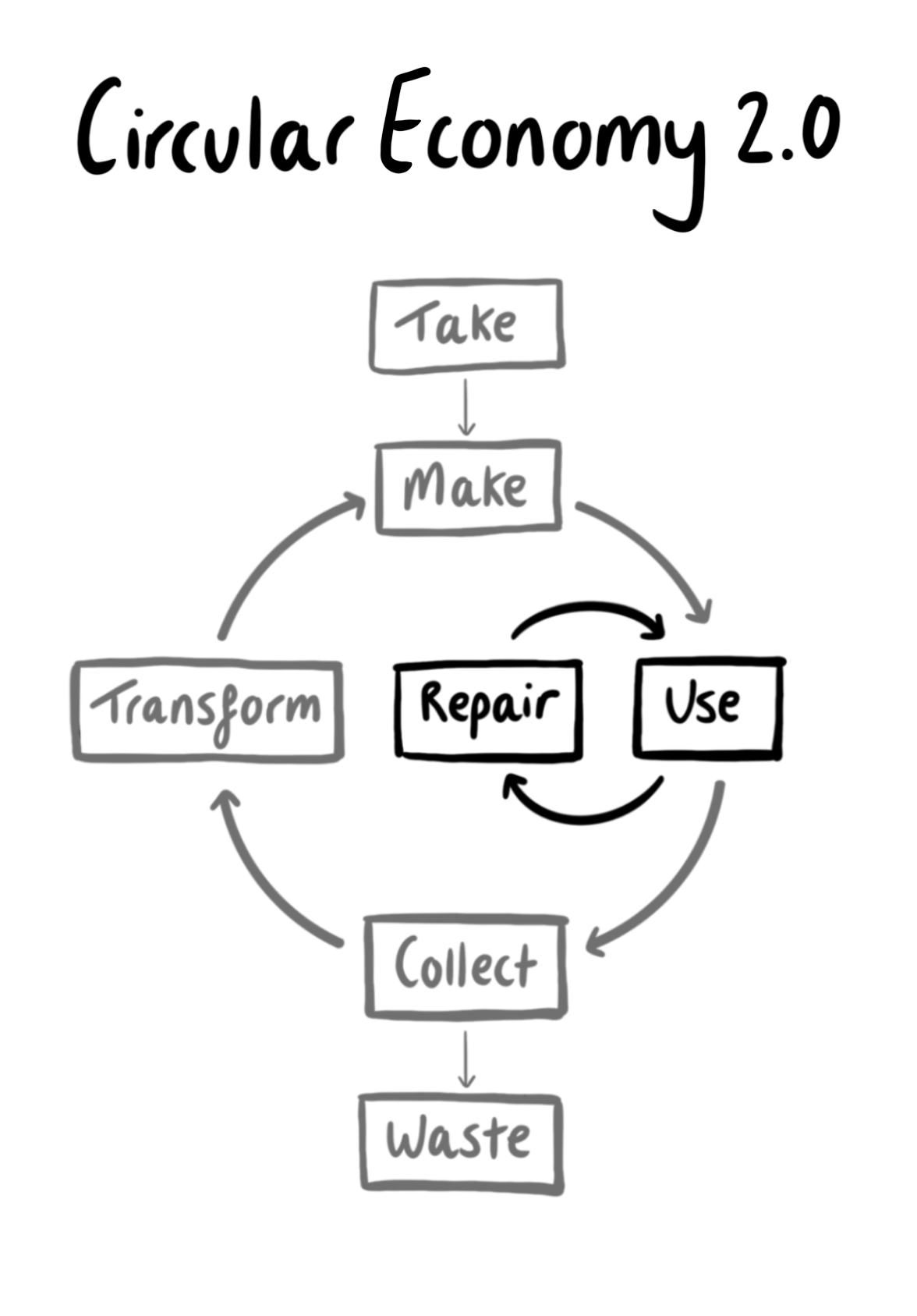
Operating excellence relies on reducing friction. In manufacturing and software alike, waste is a signal of poor design. The most resilient organizations apply the principles of circularity to their supply chains, transforming waste streams into revenue streams. This is not about carbon credits; it is about absolute efficiency.
Consider the shift toward modular product design. By building systems that are easily disassembled, upgraded, or repaired, companies extend the lifetime value of their assets. This creates a recurring revenue model while insulating the firm against supply chain volatility. Leaders who master this transition understand that they are essentially building a more robust operational foundation that requires less capital to maintain over time.
The Intersection of AI and Material Efficiency
The marriage of advanced data processing and physical operations is where sustainability moves from passive observation to active optimization. Modern AI systems now model complex resource usage patterns that were previously invisible to human operators. By deploying predictive analytics to minimize energy consumption in data centers or optimize logistics routes to reduce fuel burn, companies generate tangible savings that reflect directly on the bottom line.
This is the high-performance application of green technology. It is not about idealism; it is about using computational power to identify inefficiencies that the human eye misses. Those who fail to integrate these tools into their decision-making process will find their cost structures bloated compared to competitors who prioritize algorithmic efficiency.
Sustainability as a Competitive Moat
The market is increasingly bifurcated into those who build for resilience and those who build for the current quarter. Investors are beginning to reward organizations that demonstrate clear, sustainable pathways to growth because these firms present lower long-term risk. This is the new standard of leadership: the ability to articulate how resource efficiency contributes to the firm’s overarching mission.
For further insights into how structural shifts impact industry leaders, visit The BossMind Network. By embedding sustainable practices into your core product strategy, you do more than check a box—you build an organization that thrives under pressure.
Further Reading
”
}





Leave a Reply